
Asbestos in Debris: Enhancing hazardous waste management in Ukraine
Tonnes of debris from destroyed buildings across Ukraine contain asbestos. The war has not only destroyed infrastructure – it has created a complex hazardous waste emergency.

Project snapshot
Location: Ukraine
Status: Ongoing
Start date: 15 September 2025
Funders: The Japan Government, plus pro bono support from NICOLE Foundation team members
When war damages homes, it can release hidden hazards
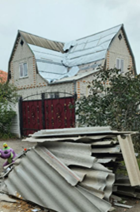
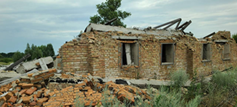
Millions of tonnes of debris from destroyed buildings across Ukraine contain a silent danger: asbestos. With over 70% of buildings constructed using asbestos-based roofing, the war has not only destroyed infrastructure – it has created a complex hazardous waste emergency.
Ukraine recently banned asbestos, but it faces a critical challenge: managing asbestos-contaminated debris on a massive scale, without the hazardous waste landfill capacity to match.


Why this matters
All six main forms of asbestos are carcinogenic. Long-term exposure can cause lung cancer, mesothelioma, and chronic respiratory illnesses like asbestosis. Without safe handling protocols, debris from bombed-out homes poses serious risks to emergency workers, communities, and future generations.
Ukraine’s regulatory systems were not built for this kind of crisis. The NICOLE Foundation, in support of UNEP, was engaged to help bridge that gap – bringing international best practice, field-tested methods, and regulatory alignment to the table.
What we did
Delivered field trials at five damaged sites in Makariv (Kyiv region), testing asbestos handling and separation techniques
Collected data on personnel exposure, machine usage, and asbestos volumes
Monitored airborne fibres and bulk-sampled both asbestos and general debris
Supported safe clearance of explosive ordnance to enable site access
Reviewed Ukrainian asbestos regulation and benchmarked it against EU and global standards
Built capacity within Ukraine’s State Emergency Service
Results and impact
Project context
With more than 250,000 buildings damaged or destroyed, the scale of debris is enormous. Landfilling all contaminated material as hazardous waste is neither feasible nor affordable.
This programme supports practical, scalable approaches by:
Adapting international asbestos handling standards to Ukraine’s realities
Testing both Ukraine’s current protocols and EU-aligned methods in real-world settings
Informing future legislation and donor engagement with evidence-based recommendations
What happens next
The results of the first-phase trials are now under technical analysis. They will guide national decisions on how best to manage asbestos risks during ongoing recovery and reconstruction.
This project also builds a blueprint for post-conflict hazardous waste management globally – whether the damage comes from war, natural disasters, or industrial collapse.
The NICOLE Foundation welcomes collaboration with partners and funders to advance projects like these.
Sustainable Development Goals supported (SDGs)


